
As the crisp November air settles in and temperatures begin to dip across Farr West and the surrounding communities, many pet owners notice their dogs and cats moving a bit more slowly or struggling to rise from their beds. Winter’s cold, damp weather can worsen arthritis and joint pain in pets, making these months especially difficult for aging or previously injured companions. At Farr West Animal Hospital, our team of veterinarians understands how challenging it can be to see your pet in discomfort. This blog will help you recognize the signs of arthritis and joint pain in your dog or cat, explain why winter aggravates these conditions, and offer practical tips for keeping your pet comfortable and active throughout the season. We will also discuss when it’s time to seek veterinary care and how our comprehensive services at 1400 N 2000 W, Farr West, UT 84404 can support your pet’s joint health, from examinations to advanced pain management therapies.
Recognizing Arthritis and Joint Pain in Your Pet
Many signs of arthritis and joint discomfort can be subtle at first, particularly as pets tend to mask pain. Common symptoms include stiffness when getting up after rest, reluctance to jump onto furniture or climb stairs, and a noticeable decrease in activity levels. You might also observe your dog or cat limping, favoring certain limbs, or showing discomfort when touched near the hips, knees, or elbows. Some pets become more irritable or withdrawn, while others may lick or chew at sore joints. As winter sets in, these symptoms often become more pronounced due to the effects of cold and damp weather. Knowing what to look for can help you intervene early and improve your pet’s quality of life.
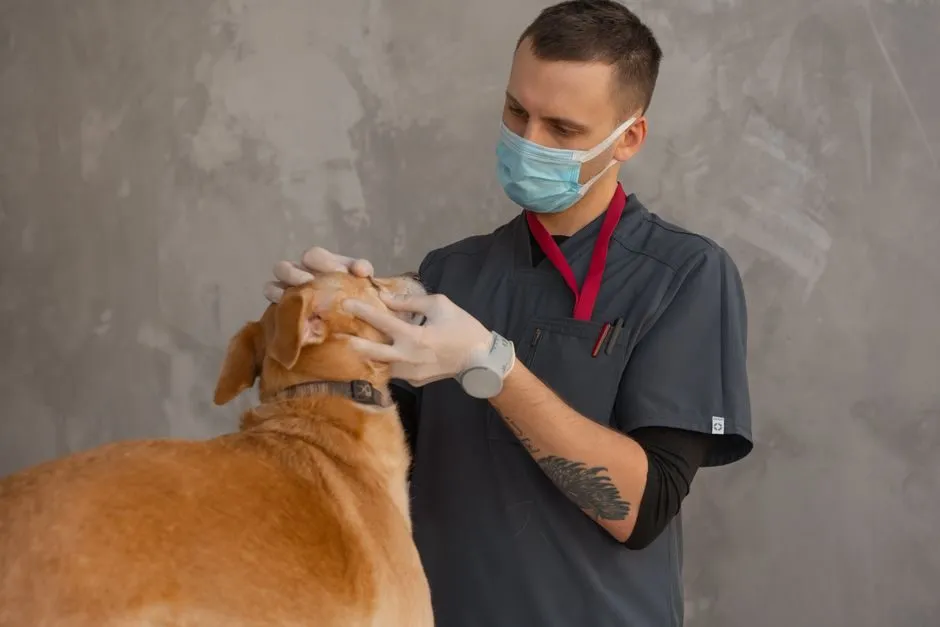
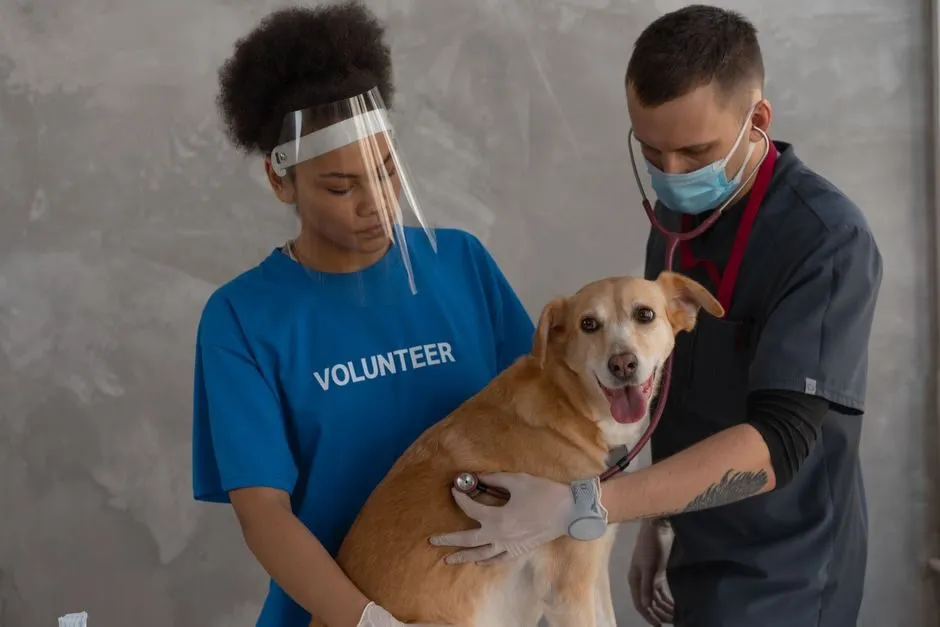
It is not unusual for owners to notice their senior dog hesitating before going outside in the morning or a normally playful cat becoming less interested in chasing toys. These changes can be frustrating and concerning, especially when they coincide with the arrival of colder weather. If you notice any of these signs, consider scheduling a comprehensive physical examination so our veterinary team can assess your pet’s mobility and overall joint health.
Why Farr West Winters Can Worsen Joint Pain
Farr West winters can be harsh for pets with arthritis or chronic joint issues. Cold temperatures cause joints and muscles to stiffen, which makes movement more difficult and uncomfortable. Additionally, dampness and reduced atmospheric pressure can increase inflammation in already sensitive joints. As outdoor activity levels drop during the winter, pets may lose muscle mass, further destabilizing their joints and contributing to increased pain.
Inside the home, pets often spend more time sleeping in one spot, which can lead to additional stiffness, particularly in the morning or after long periods of rest. For some pets, the urge to avoid cold, slippery surfaces means they may not get enough gentle exercise, which is essential for joint flexibility. All these factors combine to make winter a challenging time for pets with arthritis, so attentive management becomes even more important.
Treatment and Management Options for Pet Arthritis
If your pet is diagnosed with arthritis or another joint condition, there are many effective ways to help them stay comfortable and mobile, even in the winter months. The first step is a thorough veterinary assessment, which may include a physical examination and diagnostic imaging. Digital radiology allows our veterinarians to evaluate your pet’s bones and joints for signs of arthritis, injury, or other causes of chronic pain.
Treatment approaches involve a combination of pain management, anti-inflammatory medications, and supportive therapies. Some pets benefit from specialized diets or supplements that promote joint health. For advanced cases, options like K-Laser therapy can help reduce inflammation and support healing at the cellular level, providing relief from chronic pain. In certain situations, surgical interventions such as ACL repair or other orthopedic procedures may be considered, but these are usually reserved for severe cases or when conservative management does not provide adequate relief.
Ongoing monitoring is important, as arthritis is a progressive condition. Our veterinary team will work with you to adjust your pet’s treatment plan as needed, ensuring their comfort throughout the changing seasons.
Pain Management Strategies
Effective pain control is the cornerstone of arthritis treatment. Medications prescribed by your veterinarian can include non-steroidal anti-inflammatory drugs (NSAIDs), joint-protective agents, and adjunct therapies like laser treatment. Owners should never administer over-the-counter pain medications made for humans, as these can be extremely dangerous for pets. Always consult with your veterinary team before making any changes to your pet’s medication regimen.
Physical Therapy and Gentle Exercise
Maintaining gentle, regular movement is essential for pets with arthritis. Short, controlled walks on leash for dogs or encouraging play sessions for cats can help keep joints flexible and muscles strong. Avoid forcing activity, but try to engage your pet in safe, low-impact movement throughout the day, even when it is cold outside.
Home Care: Keeping Your Arthritic Pet Comfortable in Winter
Home management plays a significant role in supporting your pet’s joint health during the winter. Steps to increase your pet’s comfort include providing soft, supportive bedding in a warm area away from drafts or cold floors. Make sure your pet has easy access to their favorite spots by placing ramps or steps near furniture or beds if they have trouble jumping or climbing. Non-slip mats can help prevent slipping on tile or hardwood floors, and keeping nails trimmed can also improve traction.
It is important to maintain a healthy weight for your pet, as excess body fat increases strain on arthritic joints. Adjust your pet’s diet if necessary, and monitor treats to prevent unwanted weight gain during the less active winter months. Try to keep your pet active with gentle play and short walks, adjusting activity levels as needed based on their comfort.
For pets who seem especially uncomfortable, warm compresses or heated pet beds can offer relief, but always supervise your pet to prevent burns. If home care measures do not seem to help, or if your pet’s pain worsens, it is time to consider professional support.
When to Seek Veterinary Care for Joint Pain
While mild stiffness can sometimes be managed at home, there are certain signs that indicate your pet needs professional evaluation. You should schedule an appointment if your dog or cat is consistently limping, unable to rise, vocalizing in pain, or showing sudden changes in mobility or behavior. Loss of appetite, reluctance to walk, or inability to perform normal activities are also concerning. If your pet has a known history of arthritis and their symptoms suddenly worsen, this may indicate a new injury or rapidly progressing disease.
Our veterinary team at Farr West Animal Hospital is equipped to diagnose and manage a wide range of joint and mobility problems. In urgent cases, such as sudden lameness or severe pain, same-day evaluation may be needed. For more information about these options, visit our page on same-day urgent veterinary care.
If your pet requires advanced pain management or further diagnostics, we may recommend additional services such as digital radiology or K-Laser therapy to better understand and address their condition.
Supporting Your Pet’s Joint Health All Winter Long
Arthritis and joint pain do not have to keep your pet from enjoying life, even as winter settles into Farr West. By recognizing the signs early, working with our experienced veterinary team, and making thoughtful adjustments at home, you can help your dog or cat stay active and comfortable through the colder months.
Our veterinarians are committed to supporting your pet’s wellness at every stage of life. Whether you need a thorough mobility check, advice on joint supplements, or help managing chronic arthritis, we are here to guide you. If you are searching for a trusted vet near me this winter, look no further than Farr West Animal Hospital for compassionate, expert care.
To schedule an appointment or discuss your pet’s mobility concerns, call us at (801) 731-0511 or visit our clinic location. Let us help your beloved companion move comfortably and confidently, no matter the season.
Disclaimer: The information in this blog is for educational purposes only and does not replace professional veterinary advice. Always consult your veterinarian for individualized recommendations regarding your pet’s health.