Thanksgiving is a time for celebration, gratitude, and sharing special moments with loved ones—including your pets. While the holiday brings joy and delicious meals, it also comes with unique risks for dogs and cats. At Farr West Animal Hospital, located at 1400 N 2000 W, Farr West, UT 84404, we know how important it is to keep your pet safe and healthy during festive gatherings. Whether you’re hosting a large family dinner or enjoying a quiet holiday at home, understanding the potential hazards of Thanksgiving can help you protect your pet from illness, injury, and stress. In this guide, we’ll discuss which holiday foods to avoid, how to prevent stress around guests, and what signs mean your dog or cat needs veterinary care. With a little preparation and vigilance, you can ensure a happy and healthy Thanksgiving for your entire family.
Recognizing Thanksgiving Hazards for Your Pet
Thanksgiving introduces many new sights, smells, and activities into your home, all of which can be both exciting and overwhelming for pets. Dogs and cats may be drawn to the enticing aromas of turkey, stuffing, and desserts on the table, while the presence of visitors can heighten anxiety for some animals. Common issues that arise during the holiday include accidental ingestion of toxic foods, gastrointestinal upset from fatty treats, and stress-related behaviors like hiding, vocalization, or even escape attempts. Recognizing the risks early is key to preventing problems before they start.
Signs Your Pet May Be in Trouble
It’s important to watch for symptoms that suggest your pet has eaten something harmful or is struggling to cope with the holiday environment. Signs of food-related illness can include vomiting, diarrhea, drooling, lack of appetite, and abdominal pain. Pets that are anxious may hide, refuse to interact, vocalize more than usual, or show changes in appetite and behavior. If you notice symptoms such as difficulty breathing, collapse, seizures, or a swollen abdomen, your pet may be experiencing a serious emergency and needs immediate veterinary attention. For more information on what constitutes an urgent situation, visit our page on emergency veterinary care.
Why Thanksgiving Foods Can Be Dangerous for Dogs and Cats
The abundance of rich, flavorful dishes at Thanksgiving is one of the holiday’s highlights for humans, but many of these foods are unsafe for pets. Dogs and cats have very different digestive systems than people; ingredients that are harmless for us can cause gastrointestinal distress or even toxicity for them.
Common Holiday Foods That Harm Pets
Many traditional Thanksgiving ingredients can cause problems if eaten by dogs or cats. Turkey bones, for example, can splinter and lead to choking or intestinal blockage. Fatty foods like gravy, butter-laden mashed potatoes, and skin from the turkey can trigger pancreatitis, a painful and potentially life-threatening inflammation of the pancreas. Onions, garlic, chives, and leeks are toxic to both dogs and cats, damaging their red blood cells and leading to anemia. Grapes, raisins, and currants found in some stuffings and desserts can cause sudden kidney failure in pets. Chocolate and xylitol (a sweetener found in some sugar-free baked goods) are also extremely dangerous and should never be given to pets. Even seemingly harmless foods like bread dough or yeast rolls can expand in your pet’s stomach, causing bloating and discomfort.
Why Table Scraps Are Not Worth the Risk
While it might seem generous to share a taste of your meal with your pet, table scraps can quickly add up to a dangerous amount of fat, salt, or toxic substances. Pets can also develop a habit of begging or stealing food, which may lead to future problems with dietary management or obesity. Keeping your pet’s diet consistent and resisting the urge to share holiday treats is the best way to support their health.
How Our Veterinary Team Treats Thanksgiving-Related Illnesses
Despite your best efforts, accidents can happen. If your dog or cat eats something they shouldn’t or starts showing signs of illness, timely intervention is crucial. The veterinarians at Farr West Animal Hospital are equipped to diagnose and treat a wide range of holiday-related health issues, from gastrointestinal upset to more severe emergencies.
What to Expect at the Clinic
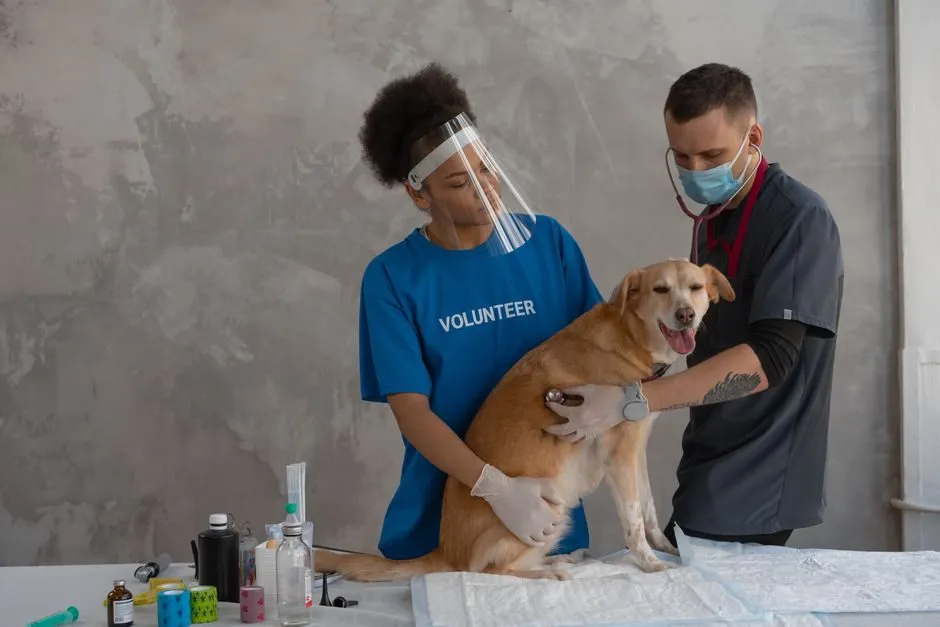
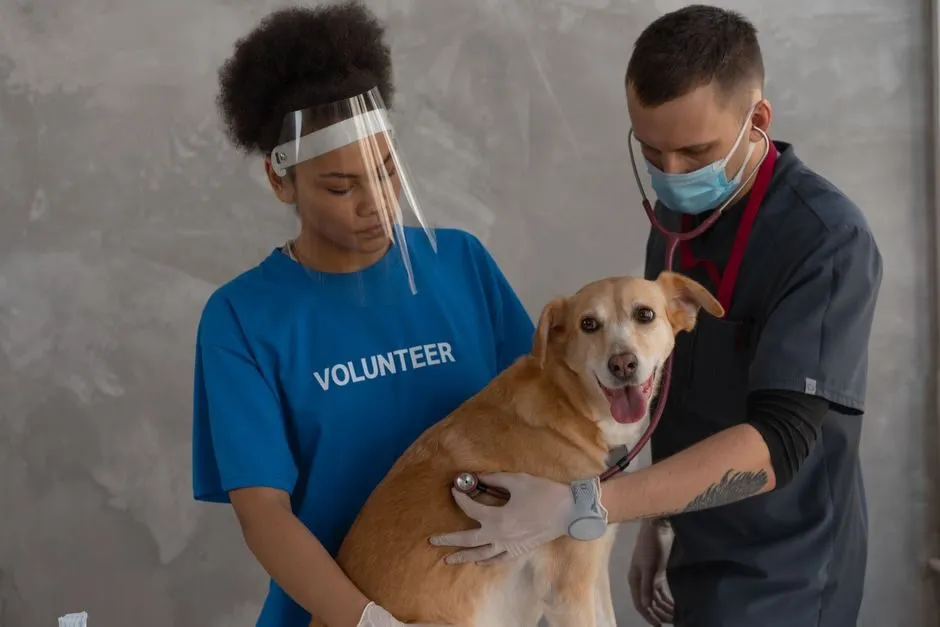
When you bring your pet in for a sudden illness, our team will begin with a thorough examination and a discussion of your pet’s symptoms and possible exposures. Depending on the situation, we may recommend laboratory testing to evaluate organ function, check for anemia or infection, and identify signs of toxin exposure. Our in-house diagnostic laboratory allows us to quickly assess your pet’s condition and make treatment decisions without delay. In cases of suspected foreign body ingestion, digital radiology or ultrasound may be used to visualize bones or other objects in the digestive tract. Treatments for holiday-related illnesses can include intravenous fluids, medications to control vomiting or diarrhea, pain management, and in severe cases, surgery to remove a blockage.
Supporting Your Pet’s Recovery
Once your pet is stable, we’ll provide you with a treatment plan tailored to their needs. This may involve a special diet, at-home medication, or follow-up visits to monitor recovery. Our team will work closely with you to answer questions, address concerns, and help your pet return to normal as quickly as possible.
Preventing Thanksgiving Mishaps: Tips for a Safe Holiday at Home
Prevention is always better than treatment, especially during a busy holiday. With a few simple strategies, you can minimize risks and create a pet-friendly environment that supports your dog or cat’s wellbeing.
Safe and Unsafe Foods
Keep all Thanksgiving foods out of reach by storing leftovers promptly and discouraging guests from offering treats to your pet. If you want your dog or cat to feel included, offer them a small amount of their regular food or a special treat formulated specifically for pets. Always supervise children around pets, especially during mealtime, to prevent accidental sharing.
Managing Stress and Visitors
If your pet is easily stressed by noise or unfamiliar people, create a quiet, comfortable space where they can relax away from the festivities. Placing their bed, toys, and water in a secluded room can give them a safe retreat. For pets with a history of anxiety, consider discussing calming strategies or supplements with your veterinarian before the holiday. Maintain your pet’s usual feeding and exercise schedule as much as possible to provide structure and reduce stress.
Preparing for Unexpected Illness or Injury
Know how to recognize signs of distress and have contact information for your veterinarian available. If your pet becomes ill or injured during the holiday, our same-day urgent care services are available to address sudden problems promptly. Having your pet’s medical records and a list of any medications they take can also be helpful in an emergency.
When Should You Bring Your Pet to the Veterinarian?
While some mild digestive upset may resolve on its own, certain symptoms and situations require prompt veterinary attention. Seek help if your pet is vomiting repeatedly, cannot keep water down, has diarrhea lasting more than 24 hours, shows signs of pain (such as whining, restlessness, or a hunched posture), or seems unusually lethargic. Signs like difficulty breathing, collapse, seizures, swollen abdomen, or pale gums are medical emergencies and should be addressed immediately. If you are ever unsure whether your pet’s symptoms are serious, it is always safer to err on the side of caution and contact your veterinarian. The emergency information page can help you identify what constitutes a true emergency.
Our team of veterinarians is committed to providing compassionate, comprehensive care for every pet in Farr West and surrounding communities. Scheduling a comprehensive physical exam before the holiday can help catch any underlying health issues that might be made worse by the excitement and changes of Thanksgiving.
Celebrate Safely: Your Partner for Pet Health in Farr West
Thanksgiving should be a joyful time for every member of your family, including your pets. By staying vigilant about food safety, managing your pet’s environment, and recognizing signs of illness, you can help your dog or cat stay happy and healthy all season long. If you ever find yourself searching for a “vet near me” because your pet needs prompt care or expert advice, Farr West Animal Hospital is here to help. Our veterinary professionals are dedicated to supporting your pet’s health year-round, with services ranging from preventive wellness to urgent care and advanced diagnostics.
If you have questions about Thanksgiving safety, want to schedule a pre-holiday checkup, or need advice on managing your pet’s anxiety around guests, please reach out to our team. You can contact us at (801) 731-0511 or visit us at 1400 N 2000 W, Farr West, UT 84404. We are honored to serve pet owners throughout Farr West and nearby communities, and we look forward to helping you and your pet enjoy a safe, healthy Thanksgiving together.
This blog is intended for informational purposes only and should not be considered a substitute for professional veterinary advice. If your pet is experiencing symptoms of illness or injury, please contact your veterinarian immediately.