As winter brings chilly air to Farr West and Ogden, many pet owners shift their focus to cozy blankets and keeping their dogs and cats comfortable indoors. While it is natural to think of warm beds and extra treats during the colder months, one essential aspect of your pet’s health deserves special attention: dental care. At Farr West Animal Hospital, we understand how seasonal changes can impact your pet’s oral health, and our team is here to help you maintain a bright, healthy smile for your companion all year round. In this guide, we’ll cover why winter can be a critical time for dental health, how to spot signs of dental trouble in your pet, practical tips for at-home oral hygiene, and when it’s time to schedule a professional cleaning at our Farr West location. We’ll also share how our comprehensive veterinary dental services, including professional pet teeth cleaning and advanced diagnostics, can support your pet’s wellbeing this winter and beyond.
Recognizing Dental Problems in Your Pet
Many pet owners are surprised to learn how common dental issues are for dogs and cats, especially when colder weather keeps everyone indoors. Key symptoms of dental problems include persistent bad breath, visible tartar on the teeth, red or swollen gums, difficulty chewing, pawing at the mouth, and a reluctance to eat dry food. Pets may also show subtle changes, such as dropping food or acting irritable when their mouths are touched. During winter, when pets are less active and routines shift, these signs can be easy to miss. Dental disease often develops gradually, so even minor changes in your pet’s eating habits or behavior should prompt a closer look at their oral health. If you notice any combination of these symptoms, it may be time to consider a dental checkup.
Why Dental Health Matters in Winter
Winter presents some unique challenges for maintaining your pet’s oral hygiene. Shorter days and colder temperatures often mean fewer walks and more time spent indoors, where treats and chews may become more frequent. Many pets also drink less water in winter, which can lead to drier mouths and increased plaque buildup. For dogs and cats, a dry mouth can mean saliva is less able to help naturally clean teeth, raising the risk of tartar accumulation and gum inflammation. Additionally, owners may be less likely to schedule preventive care visits during colder months, allowing minor dental issues to progress. Addressing dental care in winter is crucial because untreated dental disease can not only cause pain but also lead to infections that impact your pet’s overall health, including their heart, liver, and kidneys.
Understanding the Causes of Pet Dental Disease
Dental disease in pets is primarily caused by the accumulation of plaque, which hardens into tartar if not removed. This buildup harbors bacteria that irritate the gums, leading to gingivitis and, if left untreated, can progress to periodontal disease. Both dogs and cats are susceptible, though smaller breeds and flat-faced pets may be at higher risk due to crowded or misaligned teeth. Contributing factors include a lack of regular brushing, infrequent professional cleanings, and diets that do not promote dental health. Winter can compound these problems as pets are often less active and may eat more soft foods or treats that stick to their teeth. Dry indoor air and less drinking can make matters worse by reducing the natural cleansing effects of saliva. Over time, untreated dental disease can cause tooth loss, chronic pain, and even allow bacteria to enter the bloodstream, affecting vital organs.
The Progression of Dental Disease
The earliest stage of dental disease is gingivitis, marked by inflamed, red gums and mild discomfort. Without intervention, this can advance to periodontal disease, where the tissues and bone supporting the teeth are damaged. Symptoms become more pronounced as the disease progresses, including bleeding gums, loose teeth, and severe pain. In cats, dental resorptive lesions—where the tooth structure breaks down—are an additional concern. Addressing dental health before it reaches these advanced stages is much easier and less stressful for your pet.
Treatment and Professional Dental Care at Farr West Animal Hospital
When dental problems are suspected or identified, the veterinary team at Farr West Animal Hospital offers a full range of treatment options to restore your pet’s oral health. Professional dental cleanings are an essential part of managing and preventing dental disease. These procedures involve a thorough examination under anesthesia, allowing our veterinarians to clean above and below the gumline, where bacteria and tartar are most harmful. We may recommend professional pet teeth cleaning and gingivitis prevention services as part of your pet’s routine care, especially if signs of dental disease are present.
In some cases, dental radiographs are needed to evaluate problems beneath the gumline, such as root infections or bone loss. Our clinic provides dental radiographs for pets to help identify issues that are not visible during a regular exam. If advanced dental disease is found, treatments may include tooth extractions or dental surgery, always with your pet’s comfort and safety as our top priority. After treatment, our veterinarians will discuss pain management, home care, and follow-up steps to keep your pet’s mouth healthy.
What to Expect During a Dental Appointment
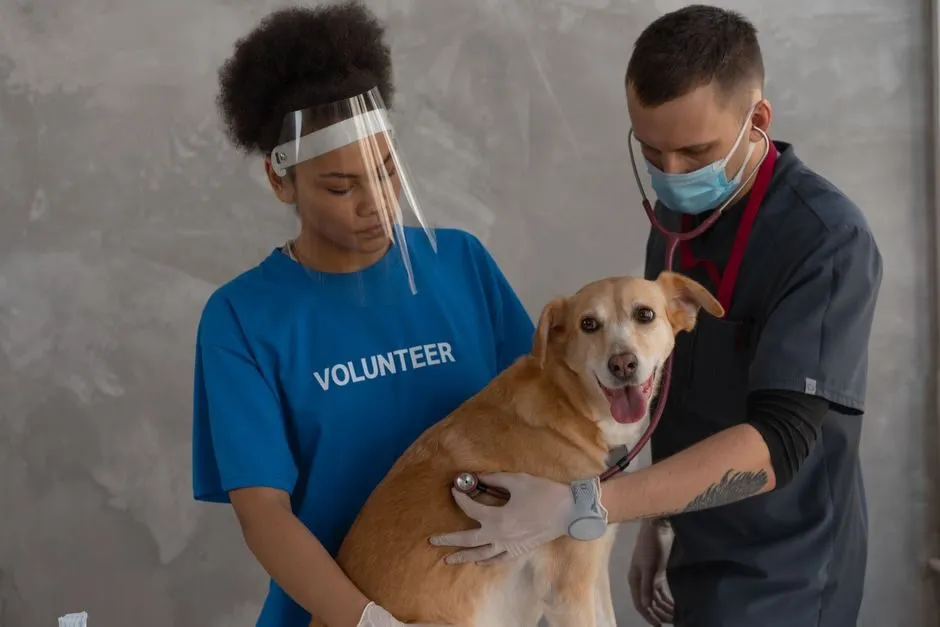
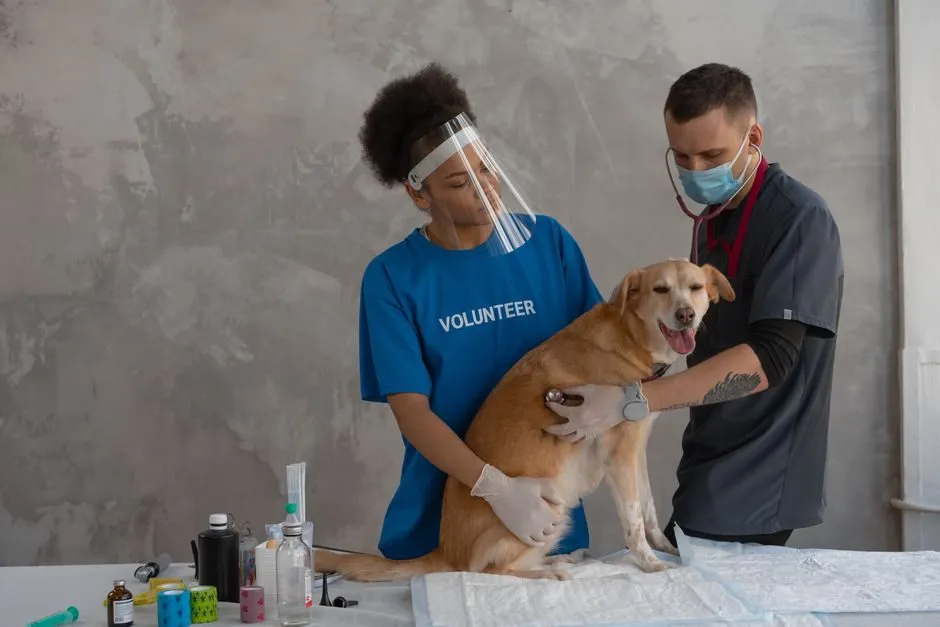
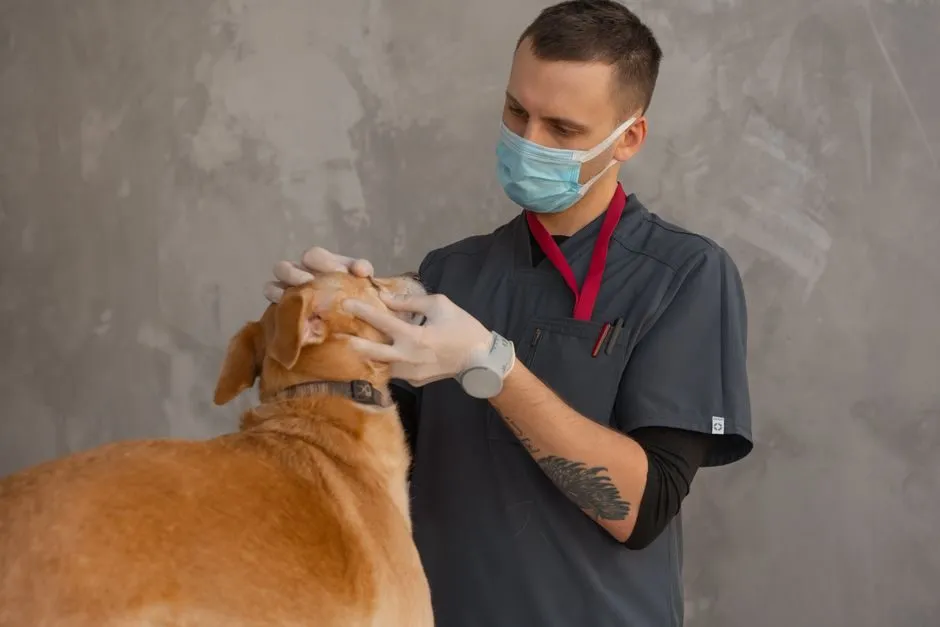
A dental appointment at Farr West Animal Hospital starts with a comprehensive oral exam, followed by recommendations for cleaning, radiographs, or further treatment based on your pet’s needs. The cleaning process involves scaling away plaque and tartar, polishing the teeth, and thoroughly rinsing the mouth. Our veterinary professionals monitor your pet’s vital signs throughout the procedure to ensure safety and comfort. After the cleaning, we review your pet’s dental health with you, answer any questions, and provide guidance for maintaining oral hygiene at home.
At-Home Dental Care Tips for Winter
Maintaining your pet’s dental health between professional cleanings is vital, particularly during the winter months. Brushing your pet’s teeth regularly is the gold standard for at-home care. Use a pet-safe toothbrush and toothpaste; daily brushing is ideal, but even a few times a week can make a difference. If your dog or cat resists brushing, dental wipes or dental chews approved by the Veterinary Oral Health Council can help reduce plaque and tartar. Providing chew toys designed for dental health is another way to promote clean teeth, especially on days when outdoor activity is limited.
Monitor your pet’s mouth for any changes, such as new odors, swelling, or changes in eating behavior. In winter, when pets may not be drinking as much water, encourage hydration by offering fresh water frequently and considering a pet water fountain to stimulate interest. Avoid giving bones, hard toys, or treats that could fracture teeth. Instead, opt for dental diets or treats that are specifically formulated to support oral health.
Building Dental Habits in Colder Months
The winter months are a great time to establish or reinforce positive dental care routines. Choose a quiet time each day to brush your pet’s teeth, perhaps after a meal or before bedtime. Make the experience positive with praise, gentle handling, and a tasty reward afterward. If you are introducing tooth brushing for the first time, start slowly by letting your pet sniff and lick the toothbrush and toothpaste before progressing to gentle brushing. Consistency is key for building habits that last.
When to Schedule a Dental Checkup or Cleaning
It is important to know when your dog or cat should see a veterinarian for dental care. You should schedule an appointment if you notice persistent bad breath, red or bleeding gums, loose or broken teeth, visible tartar, swelling around the mouth, or any changes in eating habits. Even if your pet seems healthy, annual dental exams and cleanings are recommended for most dogs and cats. Some pets, especially those with a history of dental disease, may need more frequent visits.
If you are unsure whether your pet needs dental care, our team at Farr West Animal Hospital is always happy to answer your questions and help you decide when to schedule a visit. Routine dental assessments allow us to catch problems early and provide treatment before they become painful or expensive to address.
Supporting Your Pet’s Health All Winter Long
Dental health is a year-round commitment, but winter is a particularly important time to pay attention to your pet’s mouth. By staying alert to signs of dental disease, practicing good at-home hygiene, and partnering with your local veterinary team for regular checkups and cleanings, you can help your pet enjoy a healthy, happy winter season in Farr West and surrounding communities.
If you are searching for a veterinarian near me who understands the unique needs of pets in our region, Farr West Animal Hospital is here to support you. Our team of veterinarians combines advanced technology with compassionate care to provide everything from routine dental cleanings to dental radiographs and surgical services when needed. To schedule your pet’s dental checkup or learn more about our services, call us at (801) 731-0511 or visit us at 1400 N 2000 W, Farr West, UT 84404. We look forward to helping your dog or cat maintain a clean, comfortable smile all winter—and all year—long.
This blog is intended for informational purposes only and does not replace professional veterinary advice. If your pet is experiencing pain, sudden changes in behavior, or other urgent symptoms, please contact your veterinarian promptly for guidance.