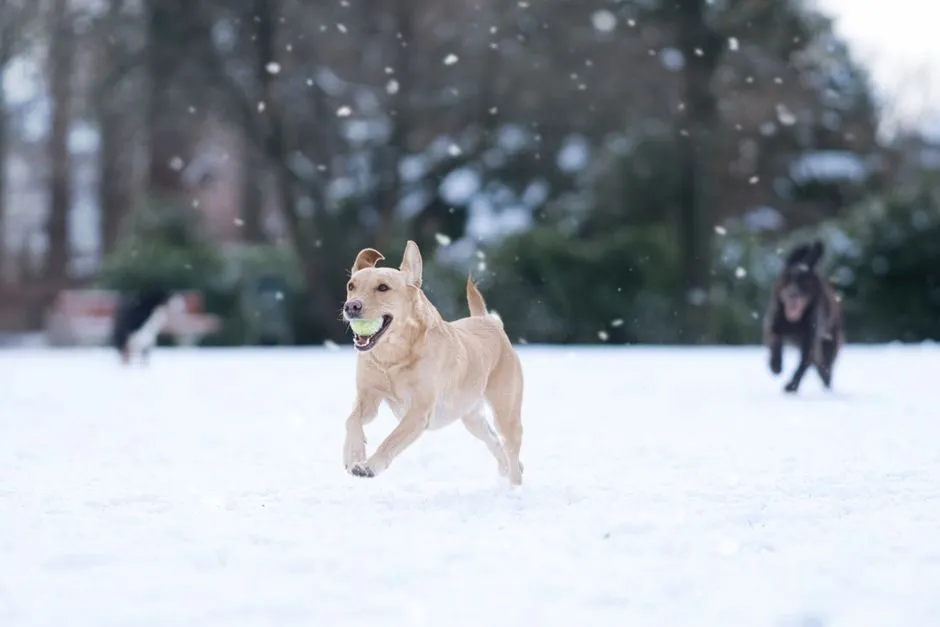
As autumn deepens and cold, wet conditions settle over Farr West and Ogden, many pet owners start to worry about their dog or cat’s comfort and safety. When temperatures drop suddenly or winter storms hit, knowing how to protect your pet becomes even more important. At Farr West Animal Hospital, our team of veterinarians understands the unique challenges Northern Utah’s climate can bring for your furry family members. In this guide, we’ll cover the essential cold weather safety tips every pet owner needs—ranging from spotting early signs of cold stress, to practical ways you can keep your pets warm at home and on chilly walks, and what to do if winter hazards affect your dog or cat. Whether you’re new to the area or a seasoned local, our goal is to help you navigate winter with confidence and keep your pets healthy all season long. If you have specific concerns about your pet’s health as the weather turns, our veterinary team is here to help at 1400 N 2000 W, Farr West, UT 84404.
Recognizing Cold-Related Problems in Dogs and Cats
Understanding when cold weather is affecting your pet is the first step in prevention. Dogs and cats are susceptible to many of the same hazards humans face in winter, including hypothermia and frostbite, but their warning signs can be subtle. Key symptoms of cold-related stress include shivering, whining, reluctance to go outdoors, holding up paws, lethargy, and seeking warm places more than usual. Cats may hide or refuse to leave sheltered spots, while dogs might lift their feet off the ground or try to hurry back inside. Additionally, if you notice your pet’s ears, tail, or paw pads are red, pale, or hard to the touch, these could be early signs of frostbite. Keep an eye out for any changes in behavior or physical condition during and after walks, especially in senior pets, small breeds, or those with thin coats.
Why Pets Are at Risk During Utah Winters
Northern Utah’s winters can be unpredictable. Sudden cold snaps, icy wind, freezing rain, and lingering snow all contribute to challenging conditions for pets. Even though dogs and cats have fur coats, not all breeds are equally equipped for the cold. Short-haired breeds, small dogs, senior pets, and cats that spend most of their time indoors are especially vulnerable. Factors such as age, health status, and acclimation to the outdoors play a significant role in how well your pet can handle dropping temperatures. Moisture from snow or rain increases heat loss; walking on salted sidewalks or icy surfaces can also damage paw pads and potentially lead to chemical irritation or injury. Additionally, the temptation for pets to seek warmth under cars or in garages can expose them to antifreeze, which is highly toxic.
Veterinary Treatment and Support for Cold-Related Issues
If your pet does develop symptoms of hypothermia or frostbite, prompt veterinary care is crucial. Treatment for mild hypothermia often involves gradual rewarming techniques, including warm blankets, fluids, and careful monitoring of vital signs. For more severe cases, hospitalization may be needed for intravenous fluids and oxygen support. Frostbite is managed by gently warming the affected areas and preventing further trauma, but severe cases can result in tissue damage or loss and may require surgical intervention. If you suspect your pet has suffered from prolonged cold exposure, it is important to call our veterinary team right away. At Farr West Animal Hospital, we are prepared to assess, diagnose, and treat cold-weather injuries, ensuring your pet receives the care they need to recover comfortably. For situations where you are unsure if the problem is an emergency, our emergency veterinary care information can help guide your next steps.
Preventing Cold Weather Hazards at Home and Outdoors
Preparation and awareness are your best defenses against winter’s risks. At home, create a warm, draft-free resting area for your pet, away from exterior doors and windows. Make sure bedding is thick and dry, and consider adding extra blankets for pets that are sensitive to the cold. For outdoor activities, limit walk times during harsh weather and dress your dog in a well-fitted coat or sweater if needed. Protect paws with pet-safe booties or apply paw balm before heading out, then wipe their feet clean after every walk to remove ice, salt, and chemicals.
Monitor your cat’s outdoor time closely; ideally, keep cats indoors during winter months, as they are especially prone to seeking unsafe shelter or getting stranded. Always check under vehicles before starting them, as cats may hide near warm engines. Never leave your pet unattended in a car during freezing temperatures, as vehicles lose heat rapidly and can become dangerously cold.
When using space heaters or fireplaces, supervise your pets to prevent burns. Store antifreeze and other toxic chemicals well out of reach, and clean up spills immediately. If you use ice melts, choose pet-safe varieties and store them securely. Fresh, unfrozen water should be available at all times, as snow is not a substitute for drinking water.
When to Seek Veterinary Care for Cold Exposure
Knowing when to seek professional help is key to protecting your pet’s health during winter. Contact your veterinarian right away if your pet displays persistent shivering, weakness, confusion, difficulty walking, skin discoloration (especially on ears, tail, or paws), blisters, swelling, or any signs of pain after being outside. If you are ever in doubt about your pet’s condition, it is always safer to ask for guidance. Early intervention makes a significant difference in recovery, particularly for young, elderly, or chronically ill pets.
If your pet experiences an urgent health concern this winter, our team at Farr West Animal Hospital provides same-day urgent veterinary care for pets needing prompt attention. For non-emergency cold weather worries, scheduling a comprehensive physical exam can help catch underlying health risks that might make your pet more susceptible to winter hazards.
Keeping Your Pets Safe and Healthy All Winter in Farr West
Winter in Farr West and surrounding communities brings unique challenges, but with the right knowledge and preparation, you can keep your pets safe, warm, and healthy. Watch for early warning signs of cold stress, provide plenty of warm shelter and paw protection, and never hesitate to reach out if you notice worrisome symptoms. The veterinary professionals at Farr West Animal Hospital are committed to supporting your pet’s wellbeing year-round. If you have questions about cold weather safety, need to schedule a checkup, or want advice tailored to your pet’s needs, contact our team by calling (801) 731-0511 or visiting us at 1400 N 2000 W, Farr West, UT 84404. When searching for a veterinarian near me who understands local winter risks, trust Farr West Animal Hospital to provide expert care for your dog or cat through every season.
For additional cold weather pet safety resources, you can also consult the American Veterinary Medical Association’s winter care guide or reach out to our veterinary team for personalized recommendations. Your pet’s health and comfort are our top priority, and we are here to help you every step of the way.